



As energy prices continue to rise, homeowners are searching for smarter and more affordable ways to generate electricity. One growing trend across states like Utah, Maine, Virginia, and Colorado is the use of balcony solar systems. These compact and easy to install solutions are changing how modern homes use renewable energy.
Unlike traditional rooftop systems, balcony solar setups are designed for apartments, condos, and homes with limited roof access. They provide a practical way to reduce electricity bills while supporting a cleaner environment.
In this guide, we will explain how balcony solar works, its key advantages, and why more homeowners are choosing plug-in solar technology for modern living.
What Is Balcony Solar?
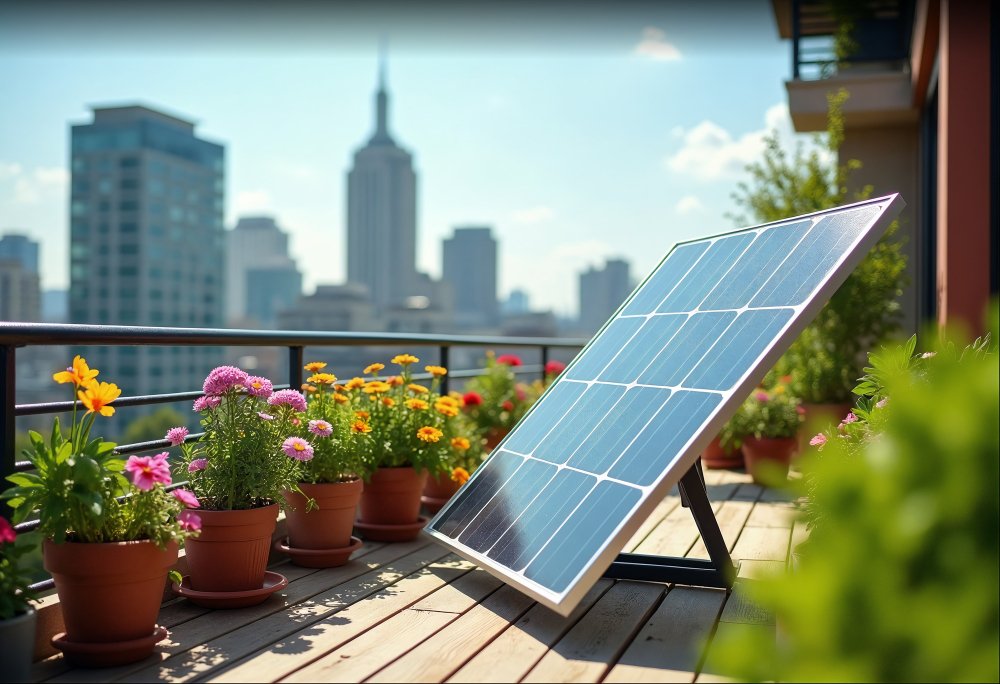
Balcony solar refers to compact solar panel systems installed on balconies, railings, terraces, or small outdoor spaces. These systems are often paired with microinverters that allow electricity generated by the panels to be directly used within the home.
Many homeowners prefer plug-in solar systems because they are simple to install and require less space compared to traditional rooftop solar setups. In many cases, the system can be connected to a standard electrical outlet, making solar energy more accessible for renters and apartment owners.
These systems are becoming increasingly popular in urban and suburban areas where rooftop installation may not be practical.
How Plug-In Solar Panels Work
Plug-in solar panels capture sunlight and convert it into usable electricity for household appliances. The energy flows through a microinverter, which changes direct current into alternating current for home use.
A typical setup includes:
- Solar panels
- Mounting brackets or railing systems
- Microinverter
- Power cable connection
Most balcony solar systems are designed for quick installation and easy operation. They allow homeowners to generate clean energy without major construction or roof modifications.
Benefits of Balcony Solar for Modern Homes
1. Easy Installation
One of the biggest advantages of balcony solar is the simplicity of installation. Unlike traditional rooftop systems, these units do not require extensive structural work.
Homeowners in cities across Colorado and Virginia are increasingly adopting plug-in solar systems because they can often be installed within a few hours.
2. Lower Electricity Bills
By generating your own electricity, you can reduce reliance on the grid and lower monthly utility costs. Even a small residential balcony solar systems setup can offset part of your daily energy consumption.
This is especially useful in states like Utah, where sunny weather supports strong solar performance throughout the year.
3. Ideal for Apartments and Condos
Traditional rooftop solar is not always an option for apartment residents. Balcony solar systems provide a practical alternative for people living in smaller urban spaces.
Homeowners and renters in Maine are turning to these systems as a flexible and accessible energy solution.
4. Sustainable Energy Solution
Using solar power reduces dependence on fossil fuels and helps lower carbon emissions. Modern homeowners are increasingly choosing modern home solar solutions that align with eco friendly lifestyles.
Balcony systems allow more people to participate in renewable energy adoption without requiring large properties or expensive infrastructure.
5. Portable and Flexible
Many plug-in solar panels are portable and can be relocated if you move to another property. This flexibility makes them ideal for renters and temporary installations.
Unlike fixed rooftop systems, balcony units can often be adjusted or expanded based on changing energy needs.
Why Balcony Solar Is Growing in Popularity?
The demand for modern home solar solutions is increasing as homeowners seek affordable and space saving alternatives. Rising energy prices and improved solar technology are driving the popularity of balcony systems across the United States.
In Virginia and Colorado, homeowners appreciate the convenience and lower upfront costs of balcony installations. In Utah, high sunlight exposure makes these systems highly effective. Even in Maine, where weather conditions vary, improved panel efficiency allows users to generate meaningful energy savings.
As solar technology continues to evolve, balcony solar is expected to become an even more common feature in modern residential buildings.
Things to Consider Before Installing Balcony Solar
Before installing a system, homeowners should evaluate a few important factors:
Sunlight Exposure
Your balcony or outdoor area should receive adequate sunlight during the day for maximum efficiency.
Local Regulations
Some apartments or homeowner associations may have restrictions on exterior installations.
Energy Needs
A small balcony setup may not power an entire home, but it can significantly offset daily electricity usage.
Structural Safety
Ensure railings and mounting areas can safely support the equipment.
Proper planning helps maximize the performance and safety of your residential balcony solar systems.
Are Plug-In Solar Systems Worth It?
For many homeowners, the answer is yes. Plug-in solar systems provide an affordable entry point into renewable energy without the complexity of traditional solar installations.
They are particularly valuable for:
- Apartment owners
- Renters
- Small households
- Urban residents
- Eco conscious homeowners
As technology improves, these systems are becoming more efficient, reliable, and widely accepted.
Final Thoughts
Balcony solar is making renewable energy more accessible for modern homeowners. With easy installation, lower energy costs, and flexible design options, these systems are becoming a practical solution for apartments and smaller homes.
If you are exploring efficient and reliable solar options, Solarestique can help you find the right solar solution tailored to your needs. Contact Solarestique today for expert guidance on modern solar energy systems for your home.
FAQs
What is balcony solar?
Balcony solar is a compact solar setup installed on balconies or small outdoor spaces to generate electricity for residential use.
Are plug-in solar panels easy to install?
Yes. Most plug-in solar panels are designed for quick and simple installation with minimal technical work.
Can balcony solar reduce electricity bills?
Yes. Even small systems can offset part of your household energy consumption and lower utility costs.
Are balcony solar systems suitable for apartments?
Absolutely. Balcony solar systems are ideal for apartments, condos, and homes with limited roof space.
Do plug-in solar systems work in all climates?
Yes. While sunny regions like Utah and Colorado perform exceptionally well, modern systems can also operate efficiently in states like Maine and Virginia.