



Choosing the right solar panel is one of the most important decisions when planning a solar energy system. Among the many options available, homeowners and businesses often compare 60 cell Vs 72 cell solar panels to determine which one best suits their energy needs.
While both panel types convert sunlight into electricity efficiently, they differ in size, power output, applications, and installation requirements. Understanding these differences can help you make an informed decision and maximize your solar investment.
In this guide, we will break down the key distinctions between 60-cell and 72-cell solar panels, along with their advantages and ideal use cases.
What Are Solar Cells in a Solar Panel?
A solar panel consists of multiple photovoltaic cells connected together to generate electricity. The number of cells within a panel directly affects its dimensions, voltage, and overall power output.
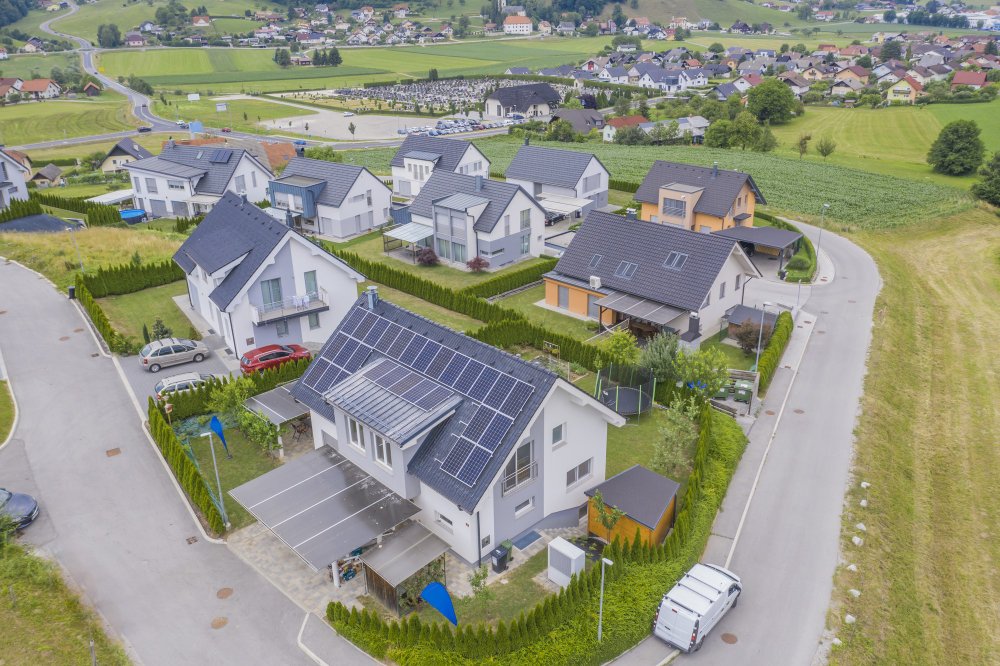
Traditionally, residential installations have widely used the 60 cell solar panel, while commercial projects often rely on larger 72-cell models. However, technological advancements have expanded the applications of both options.
Understanding the 60 cell Vs 72 cell comparison starts with knowing how these panels are built.
What Is a 60 Cell Solar Panel?
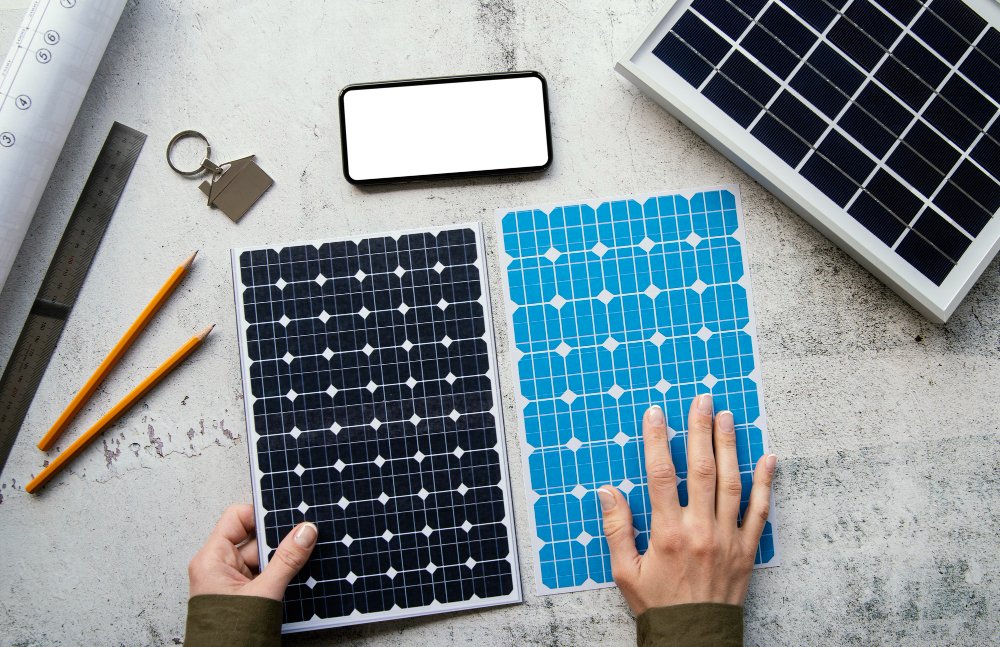
A 60 cell solar panel contains 60 individual photovoltaic cells arranged in a 6 x 10 configuration. A standard 60 cell solar module typically measures around 65 inches by 39 inches.
These panels generally produce between 300W and 400W, depending on technology and manufacturer.
Advantages of 60 Cell Solar Panels
- Compact size makes installation easier.
- Ideal for residential rooftops with limited space.
- Lighter weight reduces structural stress on roofs.
- Easier handling during transportation and installation.
Because of their dimensions, 60 cell solar panels remain a popular choice for homeowners.
What Is a 72 Cell Solar Panel?
A 72 cell solar panel includes 72 photovoltaic cells arranged in a 6 x 12 configuration. A typical 72 cell solar module is physically larger than a 60-cell panel and generally measures approximately 78 inches by 39 inches.
Due to the additional cells, these panels often generate higher wattage, usually ranging from 400W to 550W or more.
Advantages of 72 Cell Solar Panels
- Higher power output per panel.
- Fewer panels may be needed to achieve desired system capacity.
- Well suited for large rooftops and ground-mounted systems.
- Commonly used in commercial and utility-scale projects.
A 72 cell pv module is frequently selected when maximizing power generation is the primary goal.
60 Cell Vs 72 Cell: Key Differences
When comparing 60 cell Vs 72 cell solar panels, several factors should be considered.
1. Size and Dimensions
A 60-cell panel is smaller and lighter, making it easier to install on residential roofs.
A 72 cell solar panel is larger and heavier, which may require additional structural considerations.
| Feature | 60 Cell Panel | 72 Cell Panel |
| Typical Size | 65 x 39 inches | 78 x 39 inches |
| Weight | Lower | Higher |
| Installation | Easier | More demanding |
2. Power Output
The primary advantage of a 72 cell solar module is higher wattage.
Because it contains more cells, a 72-cell panel can generate more electricity under similar conditions.
Typical output:
- 60-cell panels: 300W to 400W
- 72-cell panels: 400W to 550W+
3. Cost
A 72-cell panel usually costs more per unit because of its larger size and higher power production.
However, since fewer panels may be required, the total project cost can sometimes be comparable.
4. Application
The intended application often determines the best option.
60 cell solar module systems are commonly installed on homes, while larger commercial buildings often benefit from 72-cell panels.
Which Panel Is Better for Residential Installations?
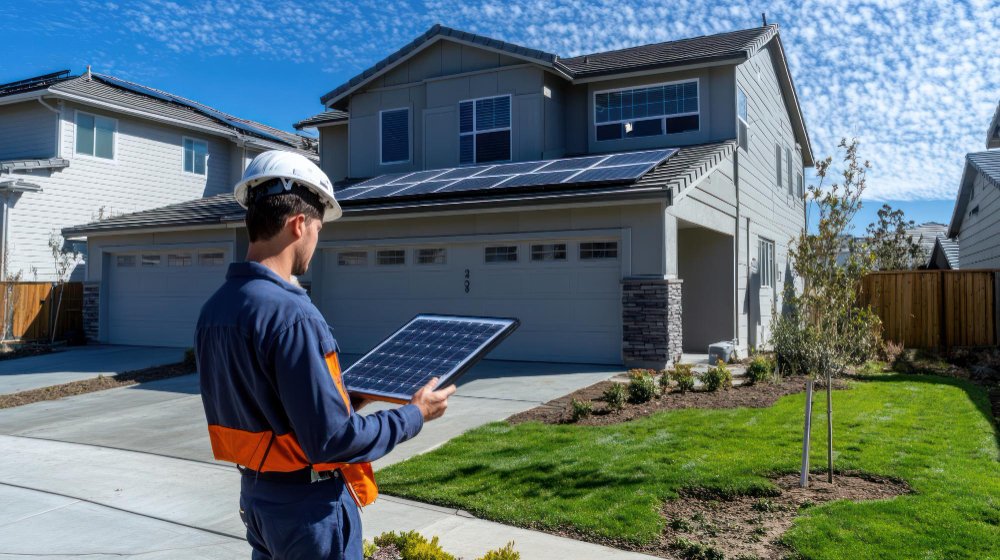
For most homeowners, a 60 cell solar panel is often the preferred choice because:
- Residential roofs have limited space.
- Smaller panels are easier to maneuver.
- Roof load requirements are lower.
However, if your roof has ample space and you want maximum production with fewer panels, a 72 cell solar panel may also be suitable.
The best option depends on your roof layout, energy consumption, and structural considerations.
Which Panel Is Better for Commercial Projects?
Commercial and industrial properties often prioritize total energy output and system efficiency.
A 72 cell pv module offers advantages such as:
- Greater power generation.
- Reduced balance-of-system costs.
- Lower installation labor per watt.
For large flat roofs or ground-mounted arrays, 72-cell panels are frequently the preferred solution.
Other Factors to Consider
When selecting between 60-cell and 72-cell panels, consider the following:
Roof Space
Limited roof space may favor smaller panels.
Energy Requirements
Higher electricity usage may justify larger panels.
Budget
Evaluate total system costs rather than panel price alone.
Structural Capacity
Ensure your roof can safely support the selected panel type.
Consulting with solar professionals can help determine the ideal configuration for your property.
Final Thoughts
Understanding the differences between 60 cell Vs 72 cell solar panels is essential for designing an efficient and cost-effective solar energy system. Both options offer unique advantages, and the right choice depends on your property’s specific needs.
If you need expert guidance on solar panel selection, system design, or permit-ready plans, Solarestique is here to help. Contact Solarestique today to find the ideal solar solution for your home or business.
FAQs
What is the main difference between 60-cell and 72-cell solar panels?
The primary difference is size and power output. A 72-cell panel is larger and generally produces more electricity.
Are 72-cell panels more efficient?
Not necessarily. Efficiency depends on cell technology rather than cell count. However, 72-cell panels usually generate more total power because they contain additional cells.
Can 72-cell panels be installed on residential roofs?
Yes. Many homes can accommodate them, provided the roof structure and available space are suitable.
Which panel type is more affordable?
A 60-cell panel typically has a lower upfront cost, but total project costs vary depending on system size and energy goals.
Should I choose 60-cell or 72-cell panels?
The decision depends on roof size, energy requirements, budget, and installation conditions.